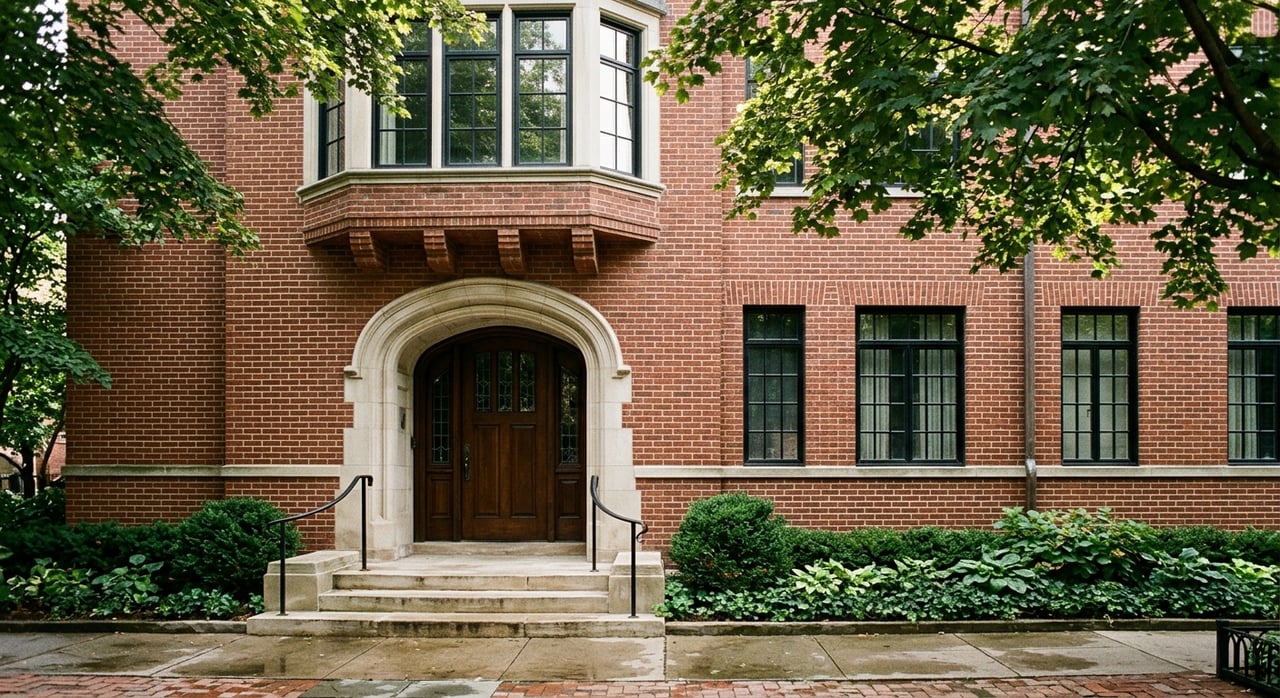
Trying to choose between Kalorama, Dupont Circle, and Woodley Park? In this part of Washington, your block can shape everything from your daily routine to the kind of home you buy. If you are weighing quiet streets, walk-to-dinner convenience, or a balance of both, this guide will help you compare the feel, housing, and pricing of each neighborhood so you can narrow in on the right fit. Let’s dive in.
Start With Lifestyle First
These three neighborhoods are close on a map, but they live very differently day to day. Kalorama tends to feel the most private and residential. Dupont Circle is the most urban and activity-heavy, while Woodley Park often lands in the middle with a more neighborhood-scaled rhythm.
That difference shows up in both planning documents and daily convenience data. Kalorama and Dupont are in Ward 2, while Woodley Park is in Ward 3, where DC Planning describes neighborhoods as village-like clusters around local commercial centers. All three also sit within historic district frameworks, which helps explain their strong architectural identity and consistent street character.
Kalorama: Quiet and Residential
If you want calm streets, historic homes, and a more tucked-away feel, Kalorama often rises to the top. DC Planning describes Sheridan-Kalorama as an urbane residential neighborhood with townhouses, detached dwellings, and mansions. That mix gives it a more private and formal feel than the other two.
Kalorama is also the least uniform from block to block. Research in the area shows representative Walk Scores ranging from 53 to 82, which means your experience can change depending on exactly where you live. Some addresses feel more connected to transit and nearby errands, while others feel much more removed from daily commercial activity.
One important detail: if you are searching in Kalorama, it helps to clarify whether you mean Sheridan-Kalorama or Kalorama Triangle. DC Planning treats them as distinct subareas, and that distinction can affect both the feel of the neighborhood and the housing mix you see.
What homes look like in Kalorama
Sheridan-Kalorama was designated as a historic district in 1989, with a period of significance from 1890 to 1945. The housing stock includes elegant townhouses, detached homes, and large stone and stucco mansions. You also see some apartment buildings and some embassy or chancery reuse.
Architecturally, the neighborhood spans several classic styles, including Queen Anne, Romanesque Revival, Colonial Revival, and Beaux Arts. If you are drawn to larger historic houses and a sense of architectural presence, Kalorama gives you more of that than Dupont Circle or Woodley Park.
Who Kalorama tends to suit
Kalorama is usually the best fit if you value privacy, a quieter pace, and historic homes over nonstop street activity. It can make sense for buyers who want a more residential setting but still want access to the city. It is often the strongest starting point if your wish list includes larger historic homes and a more tucked-away street life.
Dupont Circle: Walkable and Energetic
If your ideal day starts with coffee on foot and ends with multiple dinner options nearby, Dupont Circle is the clear standout. It is the most urban and walk-first of the three neighborhoods. The energy is noticeably higher here than in Kalorama or Woodley Park.
Walk Score ranks Dupont Circle as the second most walkable neighborhood in Washington, DC. It posts a Walk Score of 98, Transit Score of 87, and Bike Score of 96. The area also has about 582 restaurants, bars, and coffee shops, with an average of 27 reachable within five minutes on foot.
That level of convenience shapes daily life in a very real way. If you want a transit-first routine and a deeper dining and café scene, Dupont Circle offers the strongest match.
What homes look like in Dupont Circle
Dupont Circle is the most classically rowhouse-and-mansion oriented of the three. The historic district includes palatial mansions, freestanding residences, and three- and four-story rowhouses. Many of those rowhouses have since been adapted for single-family living, apartments, or office use.
The architecture is one of the neighborhood’s biggest draws. Styles include Queen Anne, Richardsonian Romanesque, Beaux Arts, Chateauesque, Renaissance, and Georgian Revival. You still get a strong historic feel, but with more commercial energy layered into the neighborhood, especially around the Connecticut Avenue corridor.
Who Dupont Circle tends to suit
Dupont Circle tends to fit buyers who want the most walkability, the most dining options, and the easiest car-light routine. It can also be a practical choice if you want a broader set of condo and converted-unit options. While the neighborhood has classic housing stock, the lifestyle here is much more active than what you usually find in Kalorama.
Woodley Park: A Balanced Middle Ground
Woodley Park often appeals to buyers who want city access without the same level of constant activity found in Dupont Circle. It has a commercial core and transit access, but the overall feel is more neighborhood-scaled. In many ways, it offers a middle path between Kalorama’s quiet and Dupont’s intensity.
DC Planning describes Woodley Park as a neighborhood with a commercial core, dense apartments and townhouses, and then a spread into single-family homes. The Connecticut Avenue corridor is anchored by the Metro station and neighborhood-scale retail. That creates a practical setup for daily errands while still preserving calmer residential streets nearby.
Walk Score rates Woodley Park at 76 for walkability, 67 for transit, and 76 for biking. It has about 57 restaurants, bars, and coffee shops, with about 9 reachable in five minutes. That is a meaningful drop from Dupont Circle, but still enough to support a convenient day-to-day routine.
What homes look like in Woodley Park
Woodley Park is the most rowhouse-centric of the three neighborhoods. Community design guidelines describe the overwhelming portion of the housing stock as rowhouses, often with porches, setbacks, and greensward. The area also includes three- and four-story townhouse buildings, mid-rise residential buildings, and commercial buildings.
The architectural character leans heavily toward Colonial Revival and related revival styles. If you like the idea of historic rowhouse character, but want a broader mix of apartments and townhouses than you may find in interior Kalorama, Woodley Park can be a strong option.
Who Woodley Park tends to suit
Woodley Park tends to work well for buyers who want a compromise between urban access and neighborhood calm. It often makes sense if you want rowhouse or apartment options, a Metro anchor, and a more measured street rhythm. Compared with Dupont Circle, it feels less nonstop. Compared with Kalorama, it often feels more connected to everyday convenience.
Comparing Daily Life Side by Side
Here is the simplest way to think about the tradeoffs:
- Kalorama: quieter, more private, more residential
- Dupont Circle: most walkable, most active, strongest dining scene
- Woodley Park: balanced, neighborhood-scaled, practical mix of access and calm
Restaurant density helps illustrate the lifestyle gap. Dupont Circle has about 10.2 times as many restaurants, bars, and coffee shops as Woodley Park. That does not automatically make Dupont better, but it does make the difference in daily energy easy to picture.
How Prices Compare
Market data also shows how these neighborhoods differ. In March 2026, reported median sale prices were about $1.265 million for Sheridan-Kalorama Historic District, $525,000 for Dupont Circle, and $940,000 for Woodley Park. Median days on market were 28 in Sheridan-Kalorama, 111 in Dupont Circle, and 63 in Woodley Park.
On a price-per-square-foot basis, the gap looks a little different. Sheridan-Kalorama was reported at $921 per square foot, compared with $638 in Dupont Circle and $618 in Woodley Park. Dupont and Woodley Park were only about 3 percent apart on that measure, which suggests the lower median sale price in Dupont does not necessarily mean a dramatically cheaper market on a per-square-foot basis.
That matters if you are comparing condos, converted units, or smaller homes against larger historic properties. In simple terms, unit size and housing type are doing a lot of work in Dupont Circle’s lower median sale price. Sheridan-Kalorama’s higher price per square foot aligns with its larger historic-house stock, though that monthly figure should be read as directional because only 9 sales were reported there in March 2026.
Which Neighborhood Fits You Best?
If your top priority is privacy, historic presence, and a more tucked-away residential setting, Kalorama is likely your best match. It stands out for larger historic homes, quieter streets, and a more formal neighborhood feel. It is often the right place to start if you want space and architectural gravitas over constant convenience.
If your top priority is walkability and city energy, Dupont Circle is hard to beat. It offers the strongest daily convenience, the deepest food and coffee scene, and the easiest car-light lifestyle. It also tends to offer more condo and converted-unit options than interior Kalorama.
If you want a middle option, Woodley Park deserves serious attention. It blends a neighborhood retail core, transit access, and a calmer residential feel. For many buyers, that balance is exactly the point.
The best choice usually comes down to how you want your week to feel, not just what you want your home to look like. When you line up daily routine, home style, and budget together, the right neighborhood becomes much easier to see.
If you are comparing DC neighborhoods and want a sharper, data-driven read on where your budget and lifestyle align, Abrams Residential can help you build a focused strategy around the homes and blocks that fit best.
FAQs
How does Kalorama lifestyle compare with Dupont Circle lifestyle?
- Kalorama generally feels quieter and more private, while Dupont Circle is more urban, walkable, and activity-heavy.
How does Woodley Park compare with Dupont Circle for daily convenience?
- Woodley Park offers a more balanced, neighborhood-scaled routine, while Dupont Circle has much higher walkability and far more nearby restaurants, bars, and coffee shops.
What type of housing is common in Kalorama, Dupont Circle, and Woodley Park?
- Kalorama is known for townhouses, detached homes, mansions, and some apartments; Dupont Circle is known for rowhouses, mansions, and converted units; Woodley Park is especially rowhouse-centric with apartments and mid-rise residential buildings as well.
Which neighborhood has the highest home prices: Kalorama, Dupont Circle, or Woodley Park?
- Based on reported March 2026 median sale prices, Sheridan-Kalorama was highest at about $1.265 million, followed by Woodley Park at about $940,000 and Dupont Circle at about $525,000.
Which neighborhood is best for walkability: Kalorama, Dupont Circle, or Woodley Park?
- Dupont Circle is the strongest walkability choice, with a reported Walk Score of 98, compared with Woodley Park at 76 and representative Kalorama addresses ranging from 53 to 82.
What should buyers know about searching for homes in Kalorama?
- Buyers should clarify whether they mean Sheridan-Kalorama or Kalorama Triangle, since DC Planning treats them as distinct subareas and the housing and daily feel can differ block by block.