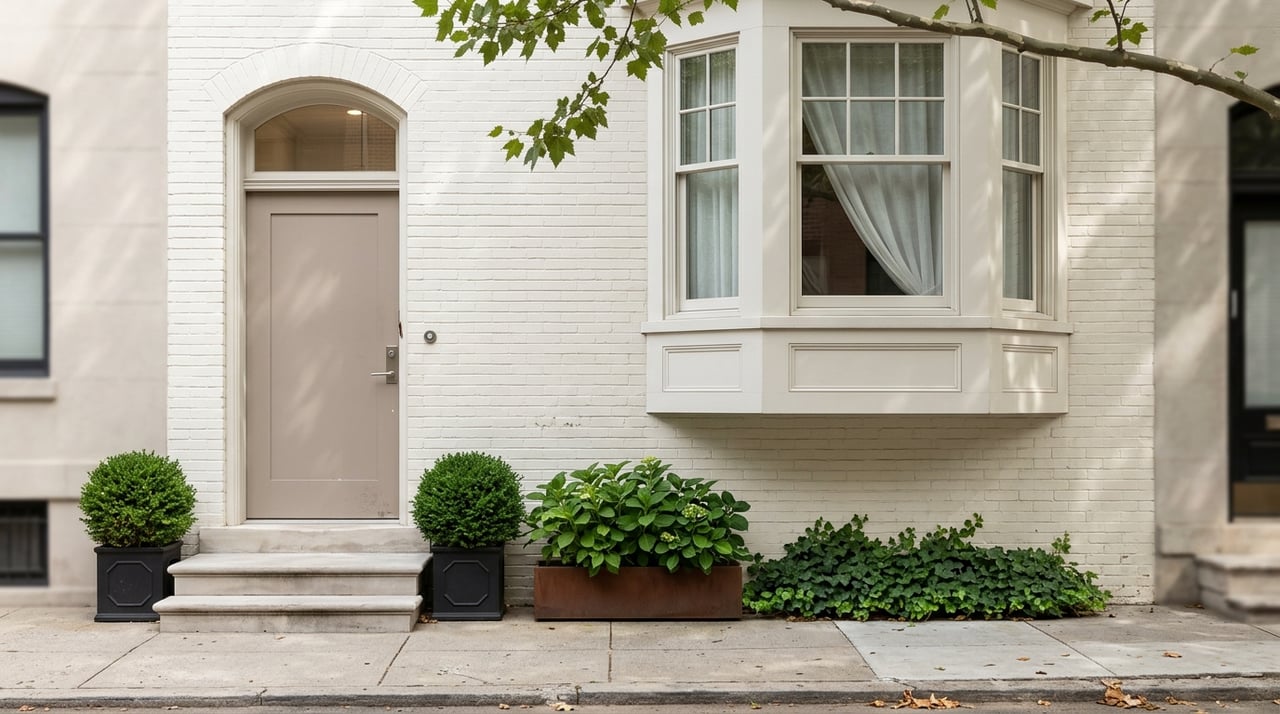
Finding the right condo in Dupont Circle can feel simple at first, until you realize how much of the decision lives beyond the unit itself. If you love historic architecture, walkable streets, and smaller buildings with personality, this neighborhood offers a lot to like, but it also asks you to look closely at fees, rules, and building health. This guide will help you evaluate a boutique condo in Dupont Circle with more clarity, so you can balance charm with practicality and buy with confidence. Let’s dive in.
Why Dupont Circle Appeals to Boutique-Condo Buyers
Dupont Circle stands out because its character is deeply tied to its history. The neighborhood sits in Ward 2, an economic and cultural hub with a mix of business districts and residential areas, and the Dupont Circle Historic District includes about 3,000 buildings, most of them residential. That historic fabric is a major part of the neighborhood’s appeal, especially if you are drawn to homes with architectural detail and a strong sense of place.
The area’s late-19th-century development still shapes what buyers experience today. Dupont Circle grew significantly after the late 1800s, and its streetscape reflects that evolution in a way that feels distinct from newer condo neighborhoods. In practical terms, you are not just buying a unit here. You are buying into a built environment where architecture and preservation matter.
For many buyers, the lifestyle piece is just as important. Washington, DC is one of the country’s most walkable and transit-friendly cities, and Dupont Circle Station gives you direct Red Line access at Connecticut Avenue and 19th and Q Streets NW. The station has no parking, but it does offer bike racks, Wi-Fi, and an accessible elevator entrance, which reinforces the neighborhood’s strong car-light appeal.
What “Boutique Condo” Often Means Here
In Dupont Circle, a boutique condo usually means a smaller, character-driven building rather than a large amenity tower. You will often see historic rowhouse conversions, low-unit properties, and small apartment buildings tucked along or just off the main corridors. That smaller scale can feel more personal and more architectural than a larger modern building.
The historic district includes a wide range of architectural styles, including Queen Anne, Richardsonian Romanesque, Renaissance, and Georgian Revival. Many rowhouses have been adapted over time for single-family living, apartments, or office use. That flexibility has helped create the kind of intimate condo inventory that attracts design-minded buyers today.
This also means no two boutique buildings are exactly alike. One may offer a classic façade with a recently updated interior, while another may preserve more original elements and come with a different maintenance profile. The appeal is often in that individuality, but so is the need for careful due diligence.
Historic Rules Shape Your Options
One of the biggest differences between buying in Dupont Circle and buying in a more conventional condo market is the role of historic preservation. In DC, historic properties use the standard permitting process, but preservation review adds another step for work that affects exterior appearance. Owners are encouraged to contact the Historic Preservation Office before applying for permits.
That matters because many of the changes buyers naturally imagine after closing may not be as simple as they seem. Work such as front or side additions, large rear additions, roof additions, roof decks visible from the street, major front-façade changes, and new curb cuts or driveways typically requires review by the Historic Preservation Review Board. Smaller projects may qualify for expedited review, but the process still deserves attention.
For you as a buyer, the key takeaway is straightforward: interior changes are often easier than exterior ones. If you are buying a boutique condo because you want charm and character, that can be a positive tradeoff. If you already have plans to alter windows, entrances, rooflines, or other street-visible elements, you will want to understand those limits before you buy.
Questions to ask about historic constraints
- Is the building within the Dupont Circle Historic District?
- What exterior elements are most likely subject to review?
- Have recent exterior changes already gone through preservation review?
- Are there planned building improvements that may require added review time?
- If you want to customize your unit, which changes are likely interior-only versus visible from the street?
Compare Fees With More Discipline
A low condo fee can look appealing, especially in a smaller building. But in a boutique condo, the more important question is whether the fee supports the building responsibly. Condo fees are usually paid directly to the association, not rolled into your mortgage payment, and they may cover items such as exterior and common-area repairs, water, sewer, trash, insurance, and reserve contributions.
That matters even more in a small association. With fewer units sharing costs, deferred maintenance can become more noticeable and more expensive. A fee that looks light on paper may reflect lean reserves or postponed repairs, while a higher fee may support a healthier building with more predictable ownership costs.
You should also keep your full monthly picture in view. In DC, residential property tax is currently $0.85 per $100 of assessed value, with bills issued twice a year. If you qualify as an owner-occupant, the homestead deduction can reduce taxable assessed value by $67,500, which can improve your carrying-cost picture.
What to review before making an offer
- Current condo budget
- Recent financial statements
- Reserve fund balance and reserve planning
- Any current or proposed special assessments
- Master insurance coverage
- Pending litigation, if any
- Recent or upcoming major repairs
- Parking and storage arrangements
- Rental rules and occupancy policies
Building Health Matters More in Small Associations
In a boutique building, every decision carries a little more weight. Fewer units often means a more intimate ownership experience, but it can also mean less margin for financial stress or delayed maintenance. That is why building health should be one of your top filters, not an afterthought.
Lenders also pay attention to this. Condo review standards focus on physical condition, financial stability, structural issues, lawsuits, evacuation orders, and whether required inspections have been completed. A building with organized records, stable reserves, and transparent governance may be easier to finance, and that can matter to you now and to your future buyer later.
DC law also gives unit owners important rights within associations. Owners can attend meetings, observe meetings and committees, review minutes, comment on association matters, vote, request statements of unpaid assessments, and access books and records. For a buyer, that reinforces the value of a well-run association with clear communication.
Signs of a well-managed boutique condo
- Meeting records are available and current
- Reserve information is clear and easy to review
- Insurance details are documented
- Repair history is transparent
- Owners appear to have a clear process for decision-making
- There is a realistic plan for future maintenance
Look Beyond Charm to Daily Function
Character may get you in the door, but daily livability often determines whether a condo still feels right a year later. In Dupont Circle, the strongest resale candidates often pair timeless location benefits with practical features that make everyday life easier. That includes a layout that works well, natural light, manageable noise exposure, and a fee structure that feels stable rather than unpredictable.
If the building has an elevator, ask about its reliability and service history. If the unit includes outdoor space, clarify whether it is private or shared and whether any visible features may be subject to historic review. If parking or storage matters to you, confirm whether those spaces are deeded, assigned, shared, or not included at all.
The neighborhood’s transit orientation is also part of the value equation. Dupont Circle Station’s bike racks and accessible entrance support a car-light lifestyle, which many buyers see as a major advantage. Even if you own a car, that flexibility can strengthen both your daily convenience and future resale appeal.
How to Think About Resale
When you buy in a boutique building, it helps to think one step ahead. The same things that make a condo attractive to you today are often the things future buyers and lenders will examine later. In Dupont Circle, that usually means location, building condition, fee stability, and a unit that lives well.
Current market snapshots suggest an active, price-sensitive condo market in Dupont Circle rather than a thin one. Reported figures from major portals show condos for sale in the neighborhood with median or average values in the low-to-mid $400,000s and marketing times ranging from a few weeks to around two months, though those numbers are directional and use different methodologies. They are useful as a broad signal, not a substitute for property-level analysis.
For resale, practical value drivers tend to win. Efficient floor plans, strong natural light, low noise exposure, functional outdoor space, and building finances that do not raise lender concerns can support a smoother sale later. In a neighborhood defined by historic charm, those fundamentals help separate a beautiful condo from a durable investment choice.
A Smart Buyer’s Dupont Circle Checklist
Before you move forward on a boutique condo, keep your evaluation focused on both lifestyle fit and building fundamentals.
Prioritize these factors
- Historic constraints: Know what can and cannot be changed.
- Association finances: Review reserves, budget, and assessments.
- Building condition: Understand recent repairs and future needs.
- Monthly carrying costs: Include taxes, fees, and insurance.
- Everyday usability: Test layout, light, noise, storage, and access.
- Resale flexibility: Consider what future buyers and lenders will care about.
Buying a boutique condo in Dupont Circle can be a smart move if you value architecture, walkability, and a more intimate ownership experience. The key is to match the romance of the neighborhood with disciplined review of the building, the association, and the true cost of ownership. If you do that well, you can find a home that feels special on day one and still makes sense years from now.
If you are weighing condo options in Dupont Circle and want a measured, design-aware perspective on value, fees, and long-term fit, Abrams Residential can help you build a smart buying strategy.
FAQs
What is a boutique condo in Dupont Circle?
- In Dupont Circle, a boutique condo usually refers to a smaller, character-driven building such as a rowhouse conversion, low-unit property, or small apartment building rather than a large condo tower.
Do historic district rules affect Dupont Circle condos?
- Yes. If a building is historic, exterior work that affects appearance may require preservation review in addition to the normal DC permitting process.
What condo documents should you review before buying in Dupont Circle?
- You should review the association budget, recent financials, reserve information, any special assessments, insurance coverage, meeting records, and any pending litigation.
What costs should you include when budgeting for a Dupont Circle condo?
- Your total cost picture usually includes your mortgage, condo fee, property taxes, and insurance rather than just your mortgage payment alone.
Why do boutique condo finances matter for resale in Dupont Circle?
- Smaller associations can be more sensitive to deferred maintenance, and lenders often review building condition, financial stability, and related issues, which can affect future marketability.