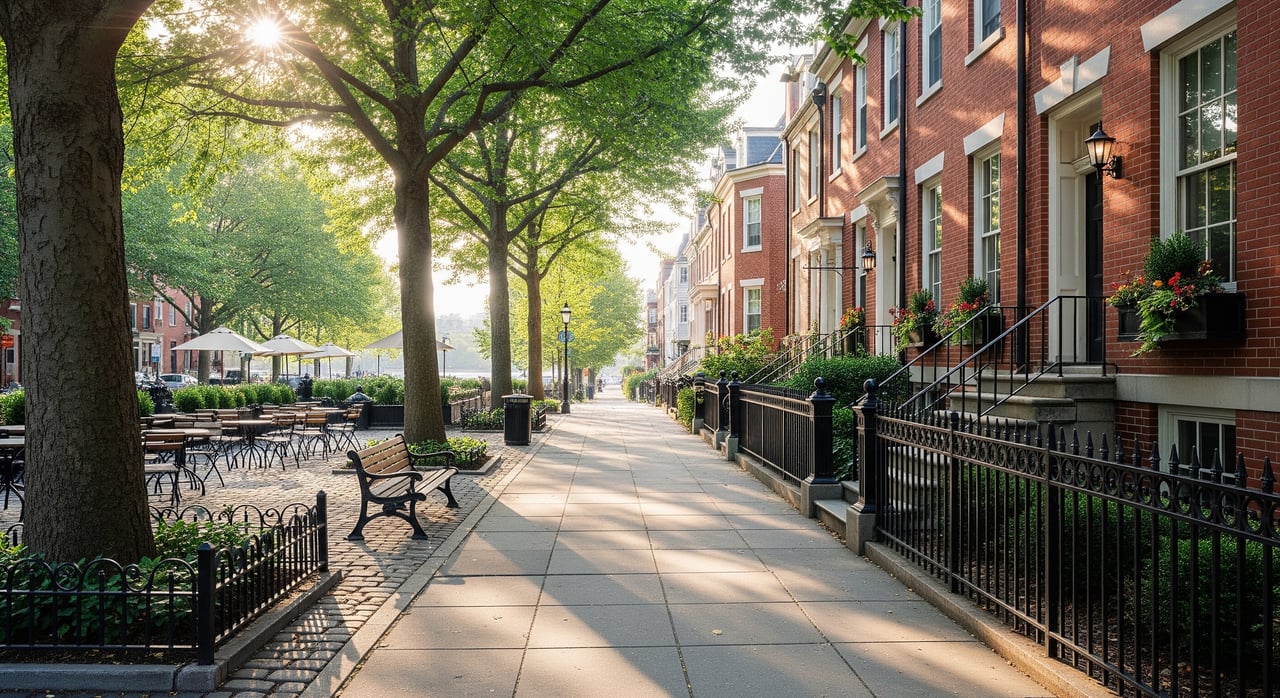
What if your morning run hugged a historic canal, your lunch was on a quiet tree-lined boulevard, and your evening wrapped with a peaceful stroll by the river, all without leaving Washington, DC? If you’re exploring a move, you might be looking for that balance of nature, neighborhood feel, and city access. In this guide, you’ll see what a typical day in the Palisades looks like, from parks and trails to dining, errands, schools, and commuting. Let’s dive in.
Morning in the Palisades
The Palisades wakes up gently. Streets are leafy and calm, and many homes have yards and porches where you can sip coffee before the day gets busy. Parents walk or drive to the neighborhood elementary school. Professionals lace up for a run or hop on a bike before logging on for work.
Start on the C&O towpath
You’re close to the Potomac River and the C&O Canal towpath, a scenic, flat trail that’s ideal for runs, stroller walks, and bike rides. The canal is part of the C&O Canal National Historical Park, which stretches along the river and offers miles of uninterrupted nature. If you want the official overview of the park and trail access points, check the National Park Service’s page for the C&O Canal National Historical Park on the NPS website. Learn more about the C&O Canal.
Weekends are popular on the towpath, so parking near trailheads can be limited. On weekdays, you’ll often share the path with neighbors walking dogs and commuters cycling to work.
Grab coffee and breakfast
Small cafés cluster along MacArthur Boulevard and near Chain Bridge Road. The mix feels village-like: pastries, espresso, and quick breakfast sandwiches. You’ll see a steady flow of strollers, laptops, and bike helmets. It’s the kind of morning spot where you can chat with a neighbor, then head out for the day.
Midday errands and essentials
The Palisades is residential first, with commercial pockets for daily needs. You’ll find a local market or specialty grocer for quick runs, plus a pharmacy, salon, and basic services. For larger grocery shops and broader dining choices, many residents drive to nearby Georgetown, Tenleytown, or Friendship Heights.
Parks and playtime
Pocket parks and playgrounds sit within walking distance of many blocks, and they see steady use after school and on weekends. Families meet for playdates, and pickup games are common on small fields. For updates on local fields, programming, and recreation centers across the city, use the DC Department of Parks and Recreation site. Explore DC parks and programs.
Afternoon commute and connectivity
There is no Metrorail station within the Palisades, so you’ll plan around buses, biking, or driving. Many residents use Metrobus routes along MacArthur Boulevard and nearby arterials, then transfer to Metrorail at Red Line stations such as Tenleytown-AU. Schedules and routes change, so confirm your options on the WMATA site. Check WMATA routes and schedules.
Driving and bridges
Getting downtown by car is straightforward, with access to the city grid plus Chain Bridge and Key Bridge into Virginia. Travel times vary by time of day, and peak periods can slow things down. Street parking within the neighborhood is typically residential; always review posted parking rules.
Biking options
MacArthur Boulevard is a favorite for recreational cyclists, and the towpath offers a low-stress route for leisure rides. Dedicated bike lanes and trail links can be spotty, so plan your path in advance and check for current conditions and projects with the DC Department of Transportation. See DDOT bike and mobility resources.
Evening dining and downtime
Evenings in the Palisades tend to be relaxed. You’ll find family-friendly restaurants and neighborhood taverns along MacArthur Boulevard. It’s perfect for an early dinner, a glass of wine, or takeout on a quiet night. If you want a wider late-night scene, most residents head to Georgetown, U Street, or downtown for concerts, shows, and a broader mix of cuisines.
Schools and learning
The Palisades is served by DC Public Schools (DCPS), including an in-neighborhood elementary school that is a strong anchor for many families. Middle and high school assignments can shift with DCPS boundary updates. Some families pursue citywide and selective programs, or look at nearby private and parochial options in adjacent neighborhoods.
Because boundaries and policies can change, always confirm your address-based assignment and enrollment steps with DCPS. Review DCPS boundaries and enrollment.
Childcare options include small local preschools and daycare centers. Demand can be high, so it helps to join waitlists early and speak with directors about schedules and openings.
Housing style and market signals
Most homes in the Palisades are single-family houses from the early 20th century, with a mix of architectural styles. You’ll also find pockets of rowhouses and small apartment buildings near commercial nodes. Buyers drawn here often prioritize interior space and a private yard over dense, ultra-urban living.
If you’re buying, keep an eye on renovation needs. Many homes are older, and systems or kitchens may be due for updates. Historic details and mature landscaping are common, which can be a major draw.
If you’re selling, presentation matters. Staging, light refreshes, and outdoor enhancements can help you stand out in a low-inventory, high-intent market. Our team’s design-forward approach and Compass resources can help you plan pre-listing improvements and launch with impact.
Who the Palisades fits
- You want green space and quiet streets, but still live in DC.
- You like access to trails and the river for daily exercise.
- You value a village-scale dining scene, and you’re fine driving a short distance for wider options.
- You prefer single-family homes with yards over dense condo living.
- You’re comfortable using Metrobus or driving to connect with Metrorail.
Practical tips before you visit
- Sidewalks and hills vary by block. Wear good walking shoes and plan your route.
- Trailheads get busy on sunny weekends. Arrive early if you need parking.
- Check bus schedules and rail transfers in advance for appointments or school tours. Plan with WMATA.
- Explore park programming and field permits if your routine includes sports or classes. See DC DPR programs.
Plan your day here
A day in the Palisades flows at a calmer pace. You can get outdoors before breakfast, pick up essentials close to home, and enjoy dinner without fighting crowds. At the same time, you can reach Georgetown, downtown, and Virginia with relative ease. For many buyers, that blend of breathing room and access is exactly the point.
Ready to explore homes or map your sale strategy in the Palisades? Reach out to David Abrams to schedule a complimentary home strategy consultation.
FAQs
Is the Palisades walkable for daily errands?
- Partially. You can walk to small commercial pockets and parks from many blocks, but terrain is hilly and sidewalks are not continuous on every street, so many residents still drive for some errands.
Do I need a car to live in the Palisades?
- Many residents keep a car for errands and commuting. You can live car-light if you’re comfortable with Metrobus connections and transfers to nearby Red Line stations.
What are the transit options from the Palisades?
- Metrobus serves MacArthur Boulevard and nearby arterials, with transfers to Red Line stations like Tenleytown-AU. Always confirm current routes and timetables with WMATA. Check routes and schedules.
Where can I access parks and trails near the Palisades?
- The C&O Canal towpath and Potomac riverfront are the core outdoor draws. Use the NPS site for park details and the DC DPR site for local fields and programs. C&O Canal info | DC DPR.
What is the dining scene like in the Palisades?
- It’s low-key and local, with cafés and restaurants along MacArthur Boulevard and near Chain Bridge Road. For more variety and late-night options, residents often go to Georgetown or downtown.
Which schools serve the Palisades?
- The neighborhood is served by DC Public Schools, including an in-neighborhood elementary school. Boundaries and feeder patterns can change, so confirm assignments and enrollment on the DCPS site. Review DCPS boundaries.